Molecure™ by AGS Company is a science-driven line of concentrated automotive additives formulated for modern gasoline engines and hybrid vehicles. Each formula addresses a defined area of engine care, from fuel-system deposits and deposit-related emissions concerns to friction inside the engine.
Molecure™ products give repair shops and fleet maintenance teams a focused engine performance solution for preventive maintenance. The line also serves automotive parts retailers, DIY mechanics, and vehicle owners looking to maintain engine performance. The Molecure lineup of additives helps us ensure a smooth operation and dependable performance over the long haul.
Three Approaches to Engine Performance
A change in automotive performance can have many possible causes. Molecure™ helps users select an engine treatment based on the system that requires attention.
Clean the Fuel System
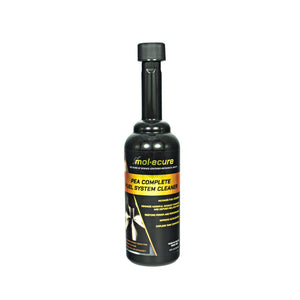
Molecure™ PEA Complete Fuel System Cleaner is a concentrated fuel treatment for gasoline engines. Its polyetheramine-based detergent chemistry targets carbon and varnish affecting fuel injectors and combustion chambers.
This fuel system cleaner also serves as a fuel injector cleaner for PFI, GDI, turbocharged, carbureted, and gasoline-powered hybrid applications. In port-injected engines, treated fuel passes through the intake ports and across the intake valves. In a direct-injected engine, the fuel enters the combustion chamber, so a tank additive does not wash the backs of the intake valves.
When deposits are contributing to performance problems, FST12 may help:
- Smooth a rough idle and improve cold-start performance
- Improve response during acceleration
- Support more efficient combustion
- Restore engine performance lost to fuel-system deposits
A performance improver cannot correct every cause of poor drivability. Ignition system faults, mechanical damage, or failed fuel-system components require diagnosis and repair.
Support Emissions-System Performance
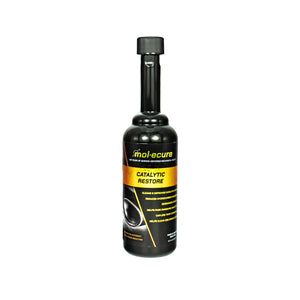
Molecure™ Catalytic Restore Emission Treatment is formulated to address deposit-related buildup that may affect the emissions system. The treatment is compatible with gasoline PFI, GDI, turbocharged, hybrid, and start-stop applications.
This catalytic treatment works through the fuel tank and is intended to support cleaner emissions and more consistent engine operation. It may help with deposit-related conditions involving catalytic converters, oxygen sensors, and related emissions components. Improved drivability or better fuel efficiency may follow when deposits are the cause of the original problem.
It may also help with a P0420 catalyst-efficiency code when deposit buildup contributes to the condition. However, a catalytic converter treatment cannot repair a damaged converter, a faulty sensor, or an exhaust leak. Persistent warning lights should be diagnosed before additional treatment is used.
Supplement Engine Lubrication
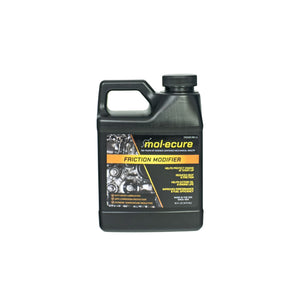
Molecure™ Friction Modifier Engine Lubricant is added to motor oil rather than gasoline. Its boundary-lubrication technology forms a protective film on metal surfaces to help reduce friction, heat, and wear during startup or heavy-load operation.
FM16 is listed for gasoline and diesel engines using conventional, synthetic, or blended oil. It can support engine protection in high-mileage vehicles, fleet vehicles, and equipment exposed to demanding service. In HEUI-equipped diesel engines, the formula is also designed to help reduce injector stiction.
The product supplements the existing lubricant package. Follow the vehicle manufacturer’s guidance before adding any aftermarket oil treatment, and continue to follow the specified oil-change interval.
Engine Challenges in Modern Vehicles
Modern engine design places specific demands on fuel, emissions, and lubrication systems. Direct injection delivers fuel directly into the combustion chamber, while turbocharging exposes oil and engine components to elevated temperatures and loads. Tight clearances can make contamination or inadequate lubrication more noticeable during engine operation.
Hybrid vehicles introduce another operating pattern. Depending on the powertrain and duty cycle, the gasoline engine may shut off at stops or remain off during some low-speed operation. This changes how long and how continuously the engine runs during a trip. High-mileage vehicles may also show the effects of accumulated wear and tear.
Over time, deposits may interfere with injector spray patterns or combustion. Friction can become more significant where the normal oil film is thin. These conditions may affect throttle response, idle quality, fuel efficiency, or the way the car is running.
Signs That May Call for an Engine Treatment
A Molecure™ product may be appropriate when inspection points to deposits or lubrication concerns. Common signs include:
- Rough idle, hesitation, or difficult cold starts
- Sluggish acceleration or reduced throttle response
- Declining fuel economy
- Carbon or varnish buildup in supported areas
- Deposit-related emissions concerns
- Increased engine noise associated with friction
These symptoms do not confirm a single cause. A warning light, continuing misfire, unusual mechanical noise, or severe performance loss calls for proper diagnosis. Chemical treatments can support automotive maintenance, but they do not replace diagnosis or repair.
Potential Maintenance Benefits
Used for the correct application, Molecure™ automotive additives may help maintain cleaner engine operation and support more consistent performance. Fuel-system cleaning can help restore injector performance when deposits interfere with fuel delivery. An emissions treatment may support catalytic efficiency when buildup contributes to the problem. Supplemental lubrication can help reduce friction where engine parts operate under load.
These products may also help improve fuel efficiency when deposits or friction are responsible for declining performance. Results will depend on engine condition, service history, and the cause of the symptoms.
No engine restorer can rebuild worn parts or reverse physical damage. Molecure™ products are intended for engine maintenance and deposit management. They cannot repair failed fuel injectors, damaged catalytic converters, faulty oxygen sensors, or internal engine wear.
Follow Product-Specific Directions
Molecure™ formulas use different application methods:
- FST12 Fuel System Cleaner: Add one 12-ounce bottle to a near-empty tank, then fill with up to 20 gallons of gasoline. Keep the amount of fuel at or below the listed treatment capacity. Repeat about every 3,000 miles, or sooner with heavy city or short-trip driving.
- CR12 Catalytic Restore: Add one 12-ounce bottle to a near-empty tank and fill with up to 20 gallons of unleaded gasoline. Drive normally through several warm-up cycles. Suggested ongoing use is about every 3,000 miles.
- FM16 Friction Modifier: Add to engine oil at the treatment rate listed on the product label. Account for the additive volume to avoid overfilling the crankcase. Review the vehicle manufacturer’s guidance before use.
FST12 and CR12 are not intended for diesel engines. Review each product page for complete dosage, compatibility, safety information, and treatment intervals.
Related Automotive Chemicals and Lubricants
For other shop and vehicle maintenance applications, explore AGS Company automotive lubricants, Sil-Glyde® silicone lubricant, dielectric grease, and Ru-Glyde® tire mounting lubricant.