Skip to content
Anchor for skip content
Page overlay

Brake, Fuel & Transmission Line Fittings

AGS Company automotive line fittings give professional technicians a dependable source for brake, fuel, and transmission line service. The collection supports routine repairs as well as custom line fabrication, including work on hard-to-match applications.

In approved repair situations, the correct fitting may allow serviceable portions of an existing line to remain in use. It must match both the connection design and the system’s operating requirements to support a secure, leak-resistant connection.

Fittings for Different Connection and Repair Needs

Automotive systems use several connection designs. AGS Company offers individual components for specific jobs, along with fitting assortment kits that keep frequently needed parts organized and readily available.

The AGS Company catalog includes the following common types of fittings and related line hardware:

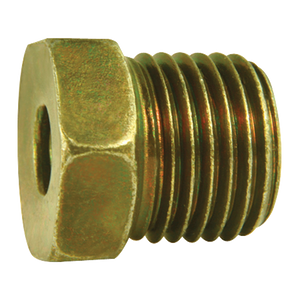
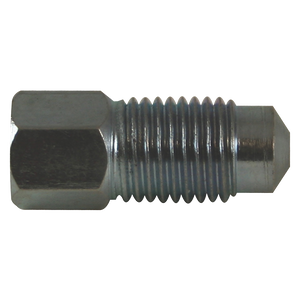
  • Tube nuts and unions: Brake line tube nuts slide over the tubing before the end is flared. Tightening the nut provides the clamping force that holds the flare against its matching seat. Brake line unions join two properly prepared line ends with compatible flare styles.
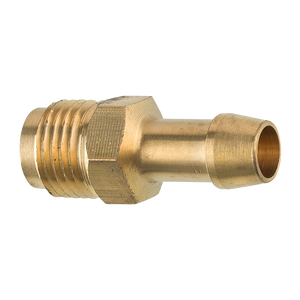
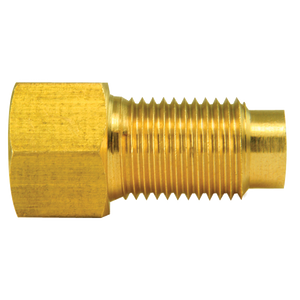
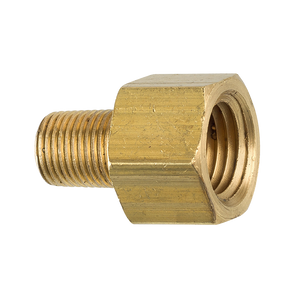
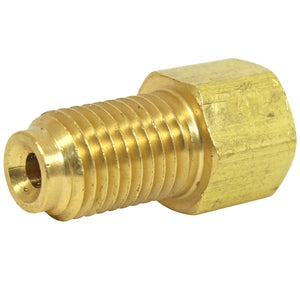
  • Adapters and connectors: Brake line adapters, fuel line adapters, and transmission line adapters help transition between specified sizes or connection styles. Available brake line connectors, fuel line connectors, and transmission cooler line fittings cover many common service configurations.
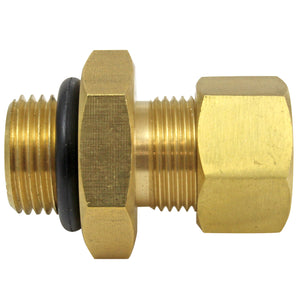
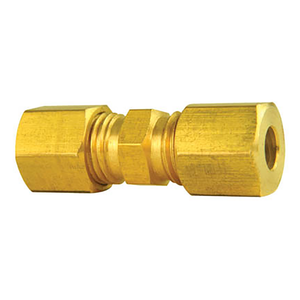
  • Compression fittings: Compression fittings create a connection by tightening a nut and sleeve around compatible tubing. Standard brass compression unions are intended for low-pressure applications and are not for use in braking systems. CFST high-pressure steel compression unions are a separate product type with different application limits.
  • Quick-connect products: Quick-connect fittings provide system-specific transitions between compatible lines. AGS Company fuel line quick connectors include options for steel-to-nylon repair in straight or angled configurations, with fractional and metric sizes represented in the range.
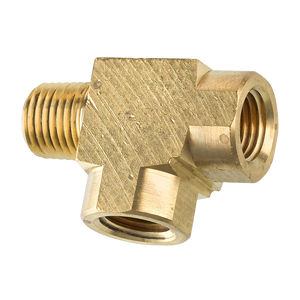
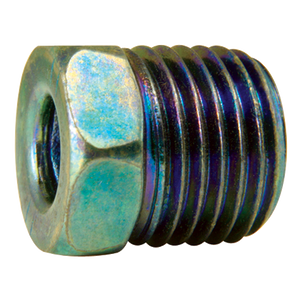
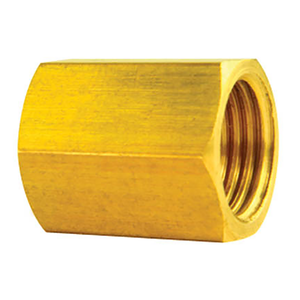
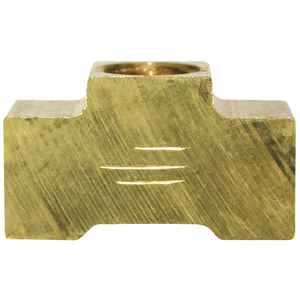
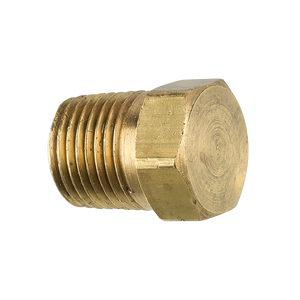
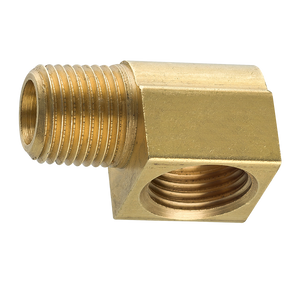
  • Threaded fittings: Line reducers, plugs and caps, nipples, couplings, elbows and bushings support compatible threaded ports and line transitions. Each tapered-pipe or straight-thread connection must be identified correctly before installation.
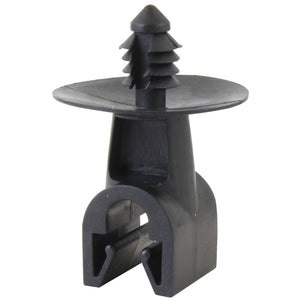
  • Service and mounting hardware: Brake bleeder screws provide a controlled passage for bleeding at compatible brake components, while automotive line clamps hold tubing along the intended path. Banjo fittings are also available for specified power-steering repairs. They are not for use in automotive brake or hydraulic-clutch systems.   

Match the Complete Fitting Specification

Nominal line diameter is only the starting point. Similar-size fittings may use different threads or sealing surfaces. A nominal 3/16-inch brake line, often identified as 4.75 mm, may have an SAE or metric thread and an inverted or bubble flare, depending on the vehicle and component.

Before choosing automotive line fittings, confirm:

  • Tubing or hose outside diameter
  • Thread diameter and pitch, including threads per inch for SAE connections
  • Male or female configuration
  • Flare style and matching port-seat geometry
  • Fitting and tubing materials
  • Vehicle application, system pressure, and approved repair procedure

SAE line fittings and metric line fittings cannot be identified reliably by visual size alone. Inverted flare fittings use a 45-degree flare-to-seat interface, while bubble flare fittings use a different profile and seat. Thread engagement does not establish compatibility. The flare must contact the correct seat without distortion.

This distinction is especially important in braking systems, which operate at high pressures. Use only brake fittings documented for the system and follow the manufacturer’s service information. Some products require special tools or a defined assembly process. 

CFST high-pressure compression unions support specified industrial and heavy-duty air, water, and oil applications up to 5,000 psi. They are not for use in braking systems. 

Materials and Product Features

The collection includes brass automotive fittings and steel automotive fittings, along with stainless-steel parts and products with finishes such as black oxide or protective plating where specified. Material selection varies with the fitting design and application.

Brass offers useful corrosion resistance and machinability for many adapters, unions, and NPT fittings. Steel provides strength for tube nuts and other line hardware. Stainless steel is used for selected brake bleeder screws and fittings where the product specification calls for it. Coatings can add surface protection, but the selected material and finish must suit the application’s operating conditions.

Thread and sealing specifications help technicians identify the required configuration. A fitting may be high quality, but the repair still depends on correct installation and undamaged mating surfaces. Review each listing for complete product details rather than assuming that one specification applies across the entire category. 

Benefits Across Brake, Fuel, and Transmission Service

The breadth of the AGS Company range supports planned fabrication work and unexpected repairs across several automotive fluid-line systems.

Brake-Line Replacement and Fabrication

During brake-line replacement, technicians can select brake line fittings that match the original tube diameter, flare style, and port. Tube nuts and unions also support custom line fabrication when the repair requires a complete new section.

Fuel-Line Repair

Fuel line fittings include adapters and fuel line quick connectors for documented repair applications. Available configurations connect steel line to nylon tubing or compatible rubber hose. Some repair connectors may allow a technician to retain sound portions of an existing line.

Transmission Cooler-Line Service

Transmission line fittings support transmission cooler-line repairs through threaded connectors, quick-connect designs, and hose-transition adapters. Careful selection is necessary because similar-looking fittings may use different sealing or retention methods.

Having the correct fitting available can reduce time spent sourcing a small component or modifying an unsuitable substitute. The vehicle manufacturer’s approved service procedure and the condition of the remaining line determine the appropriate repair.

Fitting Assortments for Professional Inventory

Fitting assortment kits help repair shops and fleet departments keep frequently encountered sizes available at the point of service. They also give distributors and automotive retailers an organized way to stock related fittings.

Assortments vary in line-size coverage, flare type, thread specification, material, and the number of individual parts. Some include multiple quantities of each listed SKU. Review the contents rather than relying on the number of represented part types as the total piece count. A well-matched assortment can reduce parts chasing while preserving the application-specific selection process required for fluid-line work.

Related Products for Complete Line Service

Pair the correct fittings with EZ-Fit® brake lines, repair tubing and line coils, or flared and fitted lines based on the job. AGS Company also offers dedicated tube nuts and unions, along with brake line adapters. Fuel and transmission line tools support the related installation work.

Showing 48 — 64 of 512 Products